When sourcing TENS/EMS massage devices (also known as low-frequency therapy devices) for international markets, regulatory compliance is one of the most critical factors for importers and distributors. Certifications such as FDA and CE are often mandatory to legally sell these products in the United States, Europe, and many other regions.
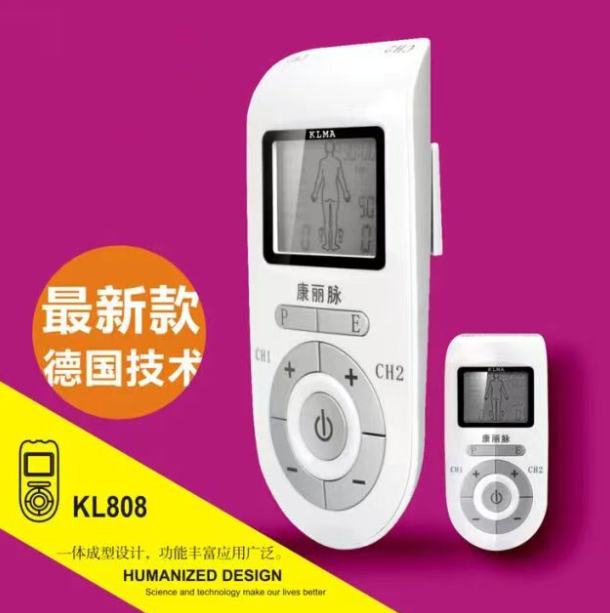
This guide explains FDA and CE certification requirements for TENS/EMS devices, how they apply to wholesale and OEM projects, and what buyers should confirm before placing an order.
Are TENS/EMS Devices Considered Medical Devices?
In most markets, TENS/EMS devices are classified as medical or therapeutic devices, even when marketed for home or wellness use.
|
Aspect |
FDA (USA) |
CE (EU) |
|
Regulatory Authority |
FDA |
Notified Bodies |
|
Classification |
Class II (common) |
Class IIa (common) |
|
Approval Focus |
Safety & effectiveness |
Safety & performance |
|
Market Scope |
United States |
European Union |
|
Required for Import |
Yes |
Yes |
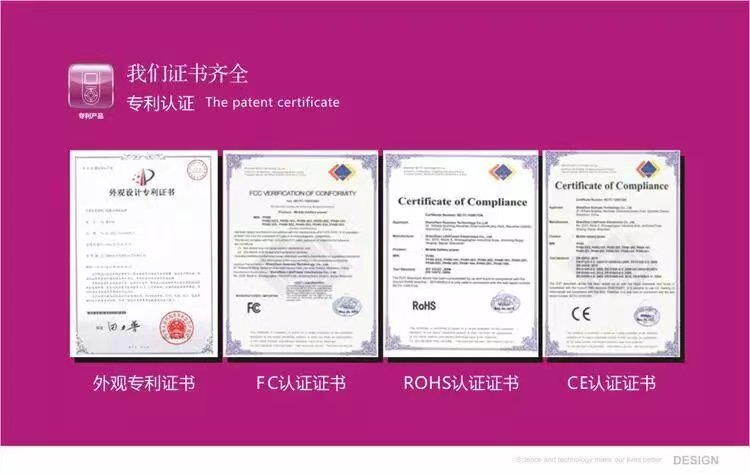
Because of this classification, certifications are required to ensure safety, effectiveness, and electrical compliance.
FDA Requirements for TENS/EMS Devices (United States)
FDA Classification
In the U.S., TENS/EMS devices are generally classified as Class II medical devices by the FDA.
Key points:
Importers and private-label brands are often considered FDA-listed companies, even if manufacturing is done overseas.
What FDA Compliance Typically Includes
A compliant manufacturer should support buyers with FDA-related documentation and experience.
CE Certification for TENS/EMS Devices (European Union)
CE Marking Under MDR
In the European Union, TENS/EMS devices fall under the Medical Device Regulation (EU MDR 2017/745).
Key requirements include:
Once approved, the CE mark allows free circulation within EU member states.
Documents Required for CE Certification
A typical CE technical file includes:
Professional manufacturers often handle most of these steps internally or with notified bodies.
FDA vs CE: Key Differences Explained
Understanding these differences helps importers plan market entry strategies more effectively.
Certification Responsibility: Manufacturer vs Brand Owner
For OEM and private-label projects, responsibility is usually shared:
Working with an experienced OEM manufacturer reduces risk and speeds up certification processes.
Common Compliance Mistakes to Avoid
These mistakes can lead to customs delays, fines, or product recalls.
How to Verify a Supplier’s FDA & CE Compliance
Before placing bulk orders, buyers should confirm:
Transparency is a strong indicator of a reliable supplier.
Why Certification Support Matters for Wholesale & OEM Buyers
Choosing a compliant supplier ensures:
Certification is not just a requirement—it is a competitive advantage.
Conclusion
FDA and CE certifications are essential for legally importing and selling TENS/EMS massage devices in global markets.
Understanding regulatory requirements helps distributors, importers, and OEM buyers avoid costly mistakes and build compliant, scalable product lines.
Partnering with a manufacturer experienced in FDA & CE compliance is the most efficient way to ensure smooth market entry and long-term success.
🔹 Looking for FDA & CE Compliant TENS/EMS Devices?
We provide:
Contact us today to discuss your compliance or OEM requirements.