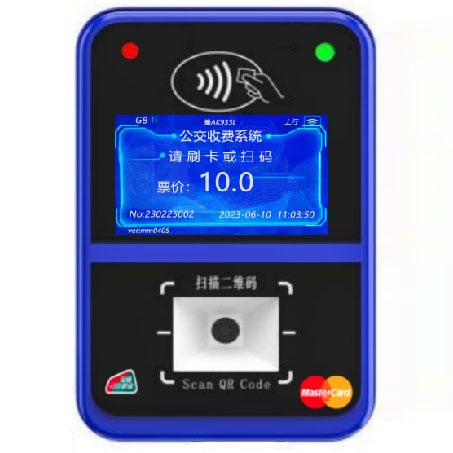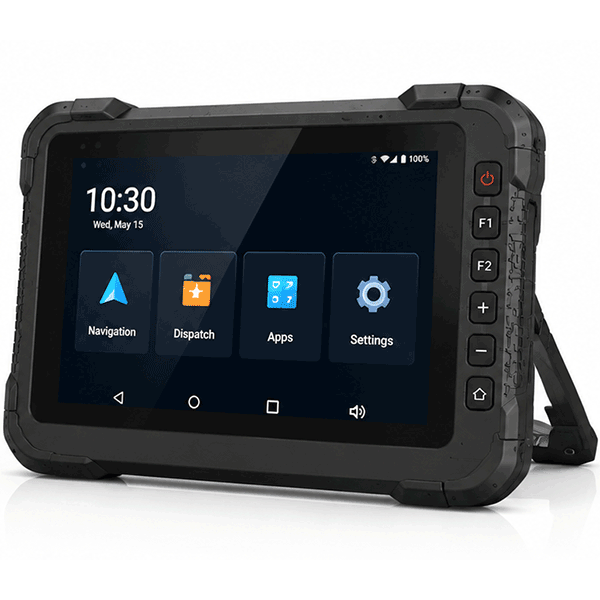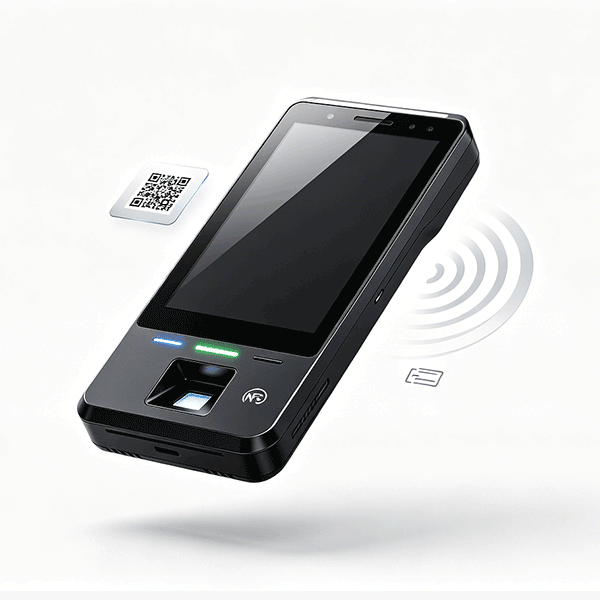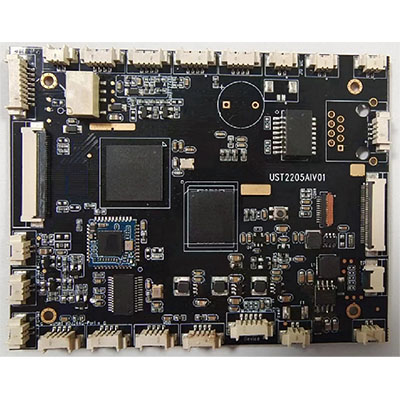
As public transportation systems continue to adopt digital technologies, reliable onboard hardware has become an essential part of modern fare collection. An Android bus fare collection terminal can provide a flexible platform for running ticketing applications, connecting payment peripherals, and integrating with existing public transport management systems.
For transit system integrators, transportation technology providers, and project contractors, selecting the right terminal involves more than choosing a device with a touchscreen. Hardware reliability, Android compatibility, interface configuration, software integration, and long-term supply capability all influence project success.
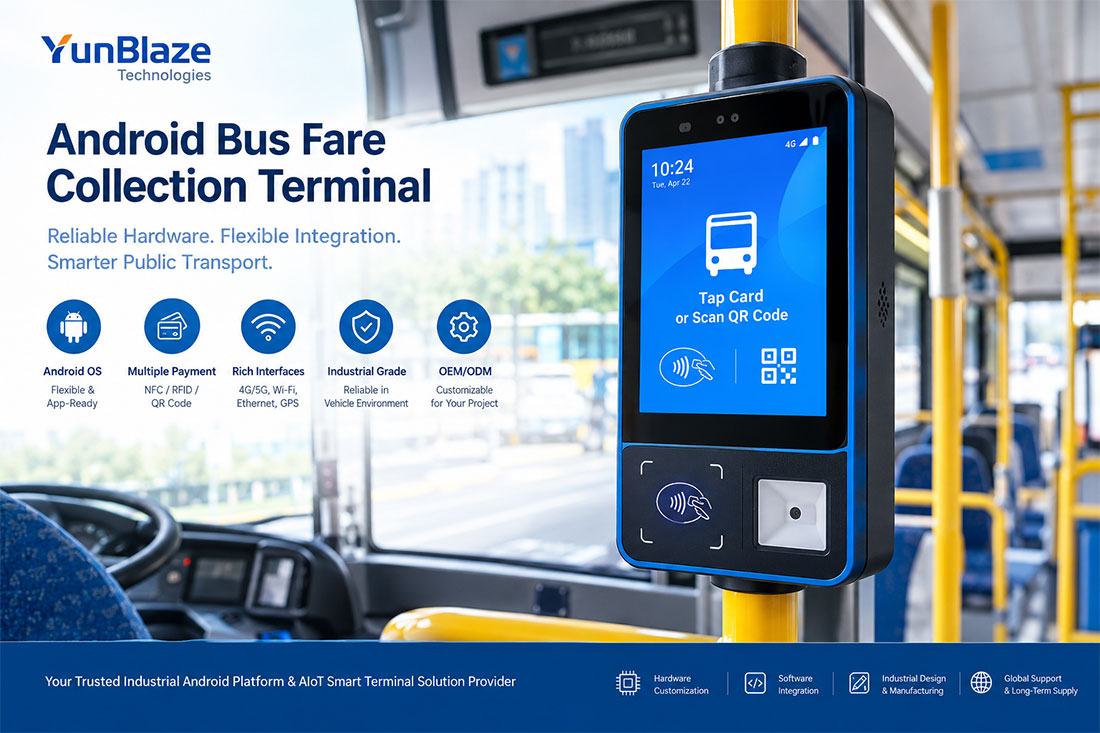
YunBlaze Technologies specializes in industrial Android platforms, embedded hardware development, AIoT smart terminals, and OEM/ODM manufacturing services. With over 15 years of experience in electronic product development and intelligent hardware manufacturing, YunBlaze helps global customers develop customized terminal hardware for public transportation and other industrial applications.
An Android bus fare collection terminal is an embedded computing device designed to run software for onboard ticketing, fare processing, passenger validation, or related transportation services.
Unlike a general-purpose consumer tablet, an industrial Android terminal can be designed around specific installation environments, peripheral interfaces, power requirements, and application needs.
Depending on the project configuration, a bus fare collection terminal may support:
Android-based ticketing and fare collection applications
Touchscreen operation for drivers, conductors, or passengers
Integration with NFC, RFID, or smart card readers
Connection to QR code scanners and barcode readers
Cellular, Wi-Fi, Ethernet, or other communication options
Interfaces for external printers, sensors, and control devices
Data exchange with backend ticketing or fleet management platforms
The actual functions depend on the selected hardware, peripherals, software, and integration requirements. For transportation projects, these capabilities should be confirmed during technical evaluation.
Android has become an attractive platform for embedded terminal development because it supports application-based workflows and offers flexibility for software integration.
For public transport projects, an Android bus terminal can provide several practical advantages.
Transit operators and system integrators may use their own ticketing software, fare calculation logic, passenger validation applications, or fleet management tools.
An Android-based platform can provide an environment for deploying compatible applications without requiring every project to start with a completely new operating system.
Bus fare collection often involves more than the terminal itself. A complete installation may include card readers, QR code scanners, printers, communication modules, or other peripherals.
A suitably configured Android terminal can serve as the computing platform that connects these components with the relevant applications.
Different transportation projects have different operational requirements. A driver-facing interface, passenger-facing payment interface, and conductor-operated ticketing interface may require different screen layouts and workflows.
Custom UI/UX development can help align the terminal interface with the customer's software and operating procedures.
When the hardware and software support the required connectivity, Android terminals can exchange data with backend platforms for ticket validation, transaction reporting, device monitoring, or fleet management.
The exact capabilities depend on network availability, application design, backend integration, and the selected hardware configuration.
For overseas public transportation projects, system integrators should evaluate the following technical requirements before choosing a terminal supplier.
| Selection Factor | What to Evaluate | Why It Matters |
|---|---|---|
| Android Platform | Android version, processor, RAM, storage, and update requirements | Determines application compatibility and performance |
| Display and Touchscreen | Screen size, brightness, touch method, and viewing angle | Supports operation in different vehicle environments |
| Peripheral Interfaces | USB, serial ports, GPIO, and other required interfaces | Enables integration with external hardware |
| Payment and Validation | NFC, RFID, smart card, or QR scanning support | Determines which ticketing methods can be implemented |
| Connectivity | 4G/5G, Wi-Fi, Ethernet, GNSS, or other options where required | Supports communication with backend systems |
| Vehicle Installation | Mounting structure, power input, vibration resistance, and thermal requirements | Helps ensure suitability for onboard deployment |
| Software Integration | SDK availability, API documentation, application deployment, and debugging support | Reduces integration complexity |
| Product Lifecycle | Component availability, production consistency, and maintenance arrangements | Supports long-term fleet deployment |
Not every project requires every interface or function. A clear technical specification helps prevent unnecessary hardware costs and reduces the risk of compatibility problems during deployment.
For transportation technology providers, the terminal is often one component within a larger fare collection ecosystem.
A typical project may involve onboard terminals, card or QR code readers, ticketing applications, communication networks, and a central management platform. These components must work together according to the project's technical requirements.
YunBlaze Technologies focuses on industrial Android platforms and embedded intelligent terminal development, helping customers build hardware around their application and integration needs.
Our capabilities include:
Industrial Android mainboard development
Embedded hardware and PCB/PCBA customization
Android operating system customization
Embedded software development
Application development support
UI/UX interface design
Mechanical structure and housing design
Logo and brand customization
OEM/ODM manufacturing services
For customers with an existing ticketing platform, the development process can focus on adapting the hardware platform to the software, peripheral, and interface requirements already defined by the project.
For customers developing a new product, YunBlaze can support the process from hardware architecture and prototype development through integration and manufacturing.
The final scope depends on project requirements and the agreed development services.
Standard hardware does not always meet the needs of every transportation project. Screen dimensions, processor performance, mounting methods, peripheral interfaces, and housing design may vary between vehicle types and operating environments.
A customized Android bus fare collection terminal can be developed around these requirements.
Hardware customization may include:
Mainboard architecture and processor selection
Memory and storage configuration
Display and touchscreen specifications
Peripheral interfaces and communication modules
Power input and vehicle installation requirements
PCB and PCBA design
Mechanical structure and enclosure development
The appropriate configuration should be selected according to the application's processing demands, environmental conditions, and target cost.
For projects with specific application requirements, Android customization may include system configuration, startup behavior, interface adaptation, application deployment, and selected device-level functions.
Where required and technically supported, the development scope can also address device management and integration with the customer's software environment.
OEM/ODM customers may require a consistent appearance across their transportation equipment portfolio.
Depending on the project, customization can include logos, housing design, screen interfaces, and other visual or mechanical elements.
Developing a prototype before committing to volume production allows customers to evaluate hardware performance, peripheral compatibility, software behavior, and installation requirements.
YunBlaze supports hardware development and OEM/ODM manufacturing, helping customers move from product concepts to production-ready intelligent hardware.
Development timelines, minimum order quantities, and manufacturing arrangements should be confirmed for each project.
Integration is one of the most important considerations when selecting a bus fare collection terminal supplier.
A terminal may have suitable hardware specifications but still require additional engineering to work with an existing ticketing platform.
Before development begins, system integrators should clarify several points.
Application compatibility: Which Android version and system configuration are required by the ticketing application?
Peripheral communication: How will the terminal communicate with card readers, QR code scanners, printers, and other connected devices?
Data interfaces: Does the application require serial communication, USB, GPIO, Ethernet, or another interface?
Backend connectivity: Which network protocols, APIs, or data formats must be supported by the terminal application?
Device management: Are remote configuration, application updates, device monitoring, or diagnostic functions required?
Testing and deployment: What tests must be completed before the hardware can be deployed across a vehicle fleet?
Documenting these requirements early helps align hardware engineering with application development.
YunBlaze's experience in industrial Android mainboards, embedded systems, and intelligent terminal development provides a foundation for supporting customers with hardware and software integration requirements.
SDKs, APIs, source code access, and specific integration deliverables should be confirmed according to the selected platform and project agreement.
YunBlaze Technologies is an industrial Android platform and AIoT smart terminal solution provider based in Shenzhen, China.
With over 15 years of experience in electronic product development and intelligent hardware manufacturing, the company supports customers developing embedded products for commercial and industrial applications.
Our expertise covers industrial Android mainboards, embedded hardware design, Android customization, and intelligent terminal development. This enables us to address hardware requirements beyond standard off-the-shelf devices.
Rather than focusing only on PCBA manufacturing, YunBlaze provides a broader development approach that can include motherboard architecture, embedded software, UI/UX design, mechanical engineering, and manufacturing.
This is particularly relevant to transportation projects where the terminal must work with specific applications and peripheral devices.
We support customized product development according to project requirements, from hardware configuration and enclosure design to branding and manufacturing.
This gives system integrators and transportation technology companies greater flexibility when developing their own terminal products.
Early prototypes allow customers to validate key hardware and integration requirements before mass production.
By addressing technical requirements during the development stage, projects can reduce avoidable redesigns and improve the transition from engineering validation to manufacturing.
Located in Shenzhen, one of China's major electronics and intelligent hardware development hubs, YunBlaze benefits from access to a mature electronics supply chain and engineering resources.
This environment supports hardware sourcing, product development, and manufacturing coordination for customers serving international markets.
Android-based intelligent terminals can be used in a range of transportation-related applications, depending on their hardware configuration and software integration.
Potential applications include:
City bus fare collection
Onboard ticket validation
Contactless card-based ticketing
QR code ticket verification
Driver and conductor operating terminals
Fleet management interfaces
Shuttle bus ticketing
Public transportation data collection
For projects involving electronic payments, customers should also verify the applicable payment security, certification, and regulatory requirements. An Android terminal alone does not automatically provide payment acquiring, bank certification, or compliance with every payment standard.
For this reason, system integrators should evaluate both the terminal hardware and the complete system architecture before deployment.
A well-defined project brief can help a terminal manufacturer assess feasibility and recommend a suitable configuration.
Before requesting a quotation, consider preparing the following information:
Application: Bus fare collection, ticket validation, driver operation, or another use case.
Operating system: Required Android version and application compatibility requirements.
Display: Screen size, resolution, brightness, and touchscreen requirements.
Peripherals: NFC, RFID, QR code scanning, printing, or other required functions.
Connectivity: Cellular, Wi-Fi, Ethernet, GNSS, or other communication requirements.
Installation: Vehicle power input, mounting structure, and operating environment.
Integration: SDK, API, interface protocols, and software development responsibilities.
Commercial requirements: Estimated quantity, target cost, prototype schedule, and expected production volume.
If an existing device or reference design is available, sharing its specifications can help accelerate the initial evaluation.
YunBlaze can review the proposed requirements and discuss suitable industrial Android platforms, customization options, and OEM/ODM development arrangements.
Choosing an Android bus fare collection terminal is a technical and commercial decision. The right platform should match the project's software requirements, onboard installation conditions, peripheral configuration, and long-term production needs.
YunBlaze Technologies helps global customers develop industrial Android platforms and intelligent terminal hardware through embedded engineering, customization, integration support, and OEM/ODM manufacturing.
Whether you are upgrading an existing public transportation solution or developing a new bus ticketing product, our team can discuss the hardware configuration and development scope required for your project.
Looking for an Android bus fare collection terminal for your next transportation project?
Contact YunBlaze Technologies to discuss your technical specifications, integration requirements, and customized terminal development needs.
YunBlaze Technologies
Industrial Android Platform & AIoT Smart Terminal Solution Provider
Website: https://www.yunblaze.com/
Related solutions:
It is an embedded Android computing device designed to run applications for bus ticketing, fare processing, passenger validation, or related transportation operations. Its capabilities depend on the selected hardware, software, and connected peripherals.
Yes, provided that the terminal's operating system, interfaces, communication methods, and software environment are compatible with the existing system. Integration requirements should be reviewed before hardware selection.
YunBlaze offers industrial Android platform development, PCB/PCBA customization, Android customization, embedded software development, mechanical design, branding, and OEM/ODM manufacturing. The available functions and development scope depend on the project.
These functions may be supported through suitable integrated modules or external peripherals. Customers should confirm the required card standards, scanner specifications, communication interfaces, and software compatibility before ordering.
YunBlaze's core expertise is industrial Android platforms, embedded hardware, intelligent terminal development, integration support, and OEM/ODM manufacturing. The availability of complete ticketing software or a full backend fare collection system should be discussed separately according to project requirements.
The most useful information includes the intended application, Android version, screen specifications, required peripherals, interfaces, connectivity, vehicle installation conditions, estimated order quantity, and customization requirements.
Providing these details helps the engineering team evaluate the project and propose a more appropriate hardware solution.